
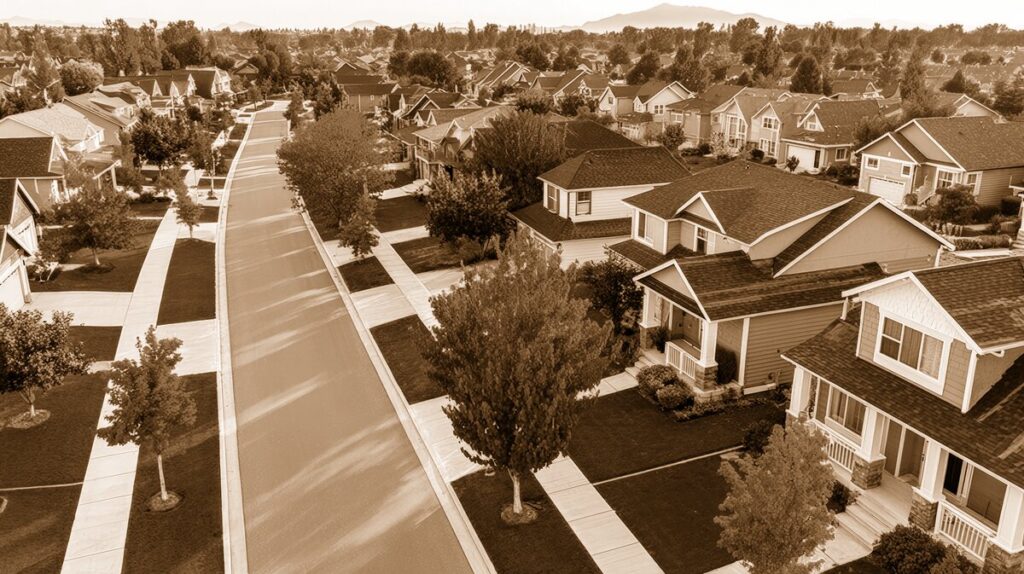
Riverdale, a lush and historic enclave perched atop the northwestern ridges of The Bronx, is a neighborhood unlike any other in New York City. With its winding streets, leafy parks, and stately homes, Riverdale feels worlds apart from the busyness of Manhattan, yet it's just a Metro-North ride away. For both longtime residents and newcomers, Riverdale’s sense of place is rooted in its vibrant history, from early estates to today’s thriving, closely-knit community.
The Beginnings: Roots in the Land
Riverdale’s story starts long before it appeared on city maps. The land was originally inhabited by the Lenape people, who respected the abundant natural resources of the area—the forests, hills, and the Hudson River. During the colonial era, this riverside landscape became dotted with farms and woodlands, owned by Dutch and then British settlers.
In the mid-19th century, Riverdale began attracting wealthy Manhattanites seeking respite from the crowded city. Thanks to the extension of the New York and Harlem Railroad (what we now call Metro-North’s Hudson Line), vast tracts of land north of the city became accessible for grand country estates. These properties, many built near what is now Palisade Avenue and Independence Avenue, transformed the area into one of New York’s earliest commuter suburbs.
What’s in a Name? Riverdale’s Distinct Identity
Riverdale’s name succinctly captures its essence—a beautiful “dale” or valley stretching down to the “river” Hudson. Riverdale as a distinct neighborhood emerged around the 1850s, its name coined to market the area’s picturesque location and attract city dwellers in search of green space and clean air. Over time, the area’s identity solidified, distinct from neighboring Fieldston, Spuyten Duyvil, and Kingsbridge.
Key Historical Milestones
- Estates and Grand Mansions: By the late 1800s, Riverdale was known for sprawling estates such as “Wave Hill,” established along the bluffs overlooking the Hudson. Some landmark residences, like the Perkins-Freeman House near Sycamore Avenue, date back to this era. Many mansions later became the seeds for schools and cultural centers.
- Wave Hill and Public Green Space: Established in the 1840s, Wave Hill (675 West 252nd Street) evolved from a private estate to a renowned public garden and cultural center. Over the years, the estate hosted illustrious visitors, including Mark Twain and Theodore Roosevelt. In 1960, Wave Hill was deeded to the City of New York, becoming a beloved spot for strolls, bird-watching, and concerts.
- Educational Institutions: Riverdale’s tradition as a haven for learning began in the early 20th century with schools like Riverdale Country School (established 1907), Horace Mann School (founded 1887, relocated to Riverdale in 1912), and Manhattan College (which moved here in 1923). The College of Mount Saint Vincent, founded in the 1840s, anchors the neighborhood’s southern end with its striking hillside campus.
- Development and Subdivisions: The early 20th century brought new development as estates were subdivided into smaller plots and homes. Fieldston, technically a private community within greater Riverdale, was meticulously laid out with winding streets and stone houses, in keeping with the area’s natural topography.
Landmarks and Hidden Treasures
Riverdale’s unique charm shines through its architectural and natural landmarks.
- Wave Hill: A 28-acre public garden on the river’s edge, offering sweeping views of the Palisades and an ever-changing selection of art exhibitions and horticultural displays.
- The Henry Hudson Memorial Park: Located at West 235th Street and Independence Avenue, this park features a stately monument to explorer Henry Hudson and provides a peaceful overlook of the river.
- Van Cortlandt Park: At Riverdale’s eastern boundary, New York City’s third-largest park offers miles of hiking trails, old-growth forests, the historic Van Cortlandt House Museum, and a host of recreation facilities.
- Tibbetts Brook Park: Just north of Riverdale, this historic park features a man-made lake, trails, and pools.
- "Bell Tower Park": Officially Bell Tower Park, this green space at 239th Street and Riverdale Avenue is crowned by a medieval-style bell tower originally built as a World War I memorial.
Throughout the neighborhood, you’ll find architecturally significant houses, from Tudor Revivals on Oxford Avenue to contemporary designs nestled along Palisade Avenue. The main streets, like Riverdale Avenue, Johnson Avenue, and Mosholu Avenue, offer a cozy selection of cafes, bakeries, and neighborhood institutions.
A Neighborhood that Grows and Welcomes
Riverdale has always been a crossroads. In the years after World War II, the neighborhood saw an influx of families—many of whom were Jewish, Irish, or Italian—seeking suburban comforts within city limits. The area’s excellent schools, access to parks, and safety made it especially attractive.
In the decades since, Riverdale has become ever more diverse. It is home to vibrant communities, including Caribbean, Hispanic, Orthodox and Conservative Jewish, and Russian-speaking families. Places of worship, such as Riverdale Temple and the Riverdale Presbyterian Church, reflect the area’s cultural tapestry.
The neighborhood continues to balance preservation with progress—a walk down Independence Avenue reveals stately historic homes alongside new apartment buildings that welcome young families and professionals. Community groups are active, from the Riverdale Nature Preservancy (focused on green space protection) to the Riverdale Historical Society, which keeps neighborhood stories alive through talks and walks.
Riverdale Today: Old-World Beauty Meets Urban Vitality
What makes Riverdale special is not just its history, but how that heritage continues to shape daily life. The gardens at Wave Hill are filled with artists and birders. The Henry Hudson Parkway (Route 9A) now connects the city to the suburbs, but the edges of Riverdale remain thick with woods, winding trails, and glimpses of the Hudson’s silver ribbon. Broadway and Riverdale Avenue buzz with delis and diners that are decades-old, neighbors who greet one another, and storefronts where generations have worked.
Throughout it all, Riverdale retains a pace all its own—a gentler rhythm where the stories of the past echo in every stone wall, sycamore tree, and street name. For those who call it home, Riverdale is a blend of nostalgia and new beginnings, a neighborhood where history truly feels alive.